

Ironclad
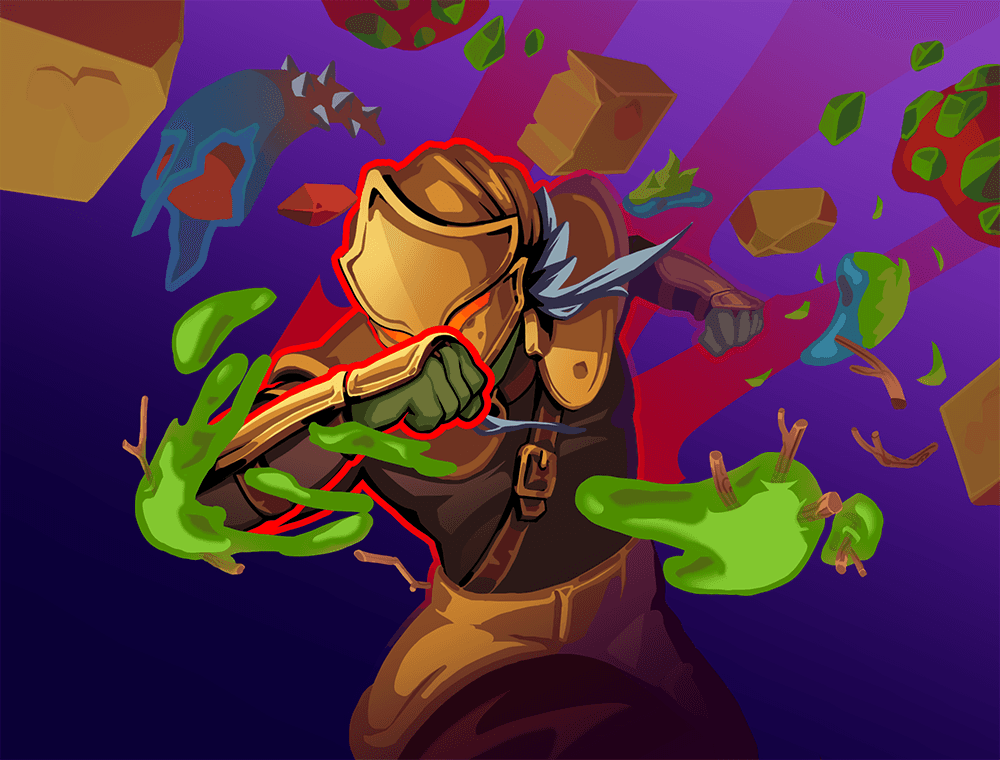
The Ironclad is one of five playable characters in Slay the Spire 2 and one of three returning from the original game. His playstyle revolves around Strength scaling, self-damage, Vulnerable synergies, and Exhausting cards. He is the most straightforward character and a good one to learn the game with.
What's Changed in Slay the Spire 2?
There are a few big changes:
- Vulnerable is now a full archetype complete with cards that revolve around applying, stacking, and rewarding the effect.
- Self-damage is a viable package. A bunch of cards lean into losing HP as a cost or trigger.
- Strength scaling is a bit more refined this time around. Still intact, but more measured.
Understanding the Ironclad
The Ironclad's starting Relic,  Burning Blood, heals him for 6 HP after every combat. This is a very strong Relic, as access to healing lets you mitigate losses from bad combat scenarios and pull further ahead in fights that go well without having to protect your health total.
To compensate for this powerful Relic, he starts with a simple deck of 5 Strikes, 4 Defends, and only one unique card, Bash. It fits his character identity well, applying Vulnerable and leaning into his focus on attack damage.
The Ironclad starts with a deck weighted towards damage and doesn't have many good Block options. This leads him to rely on Burning Blood and defeating enemies quickly.
Strong Commons to Pick With the Ironclad






Attacks
A 0-cost attack like 

 Anger is very valuable in the early game. It lets you increase your output and make use of the five cards you draw per turn. Breakthrough is a decent option for multi-enemy fights, even without synergies. Headbutt does okay damage for its Energy cost and also has draw-sequencing utility for the late game.
Iron Wave doesn’t offer a lot of either Block or damage, and it will bloat your deck later, but it will save you health in Act 1 while you look for premium cards.
Pommel Strike is a great Common, especially if you can upgrade it, increasing your card draw and consistency. Molten Fist offers good damage for 1 Energy with the upside of leading into potential Vulnerable synergies. Perfected Strike does good frontloaded damage and helps to defeat early Elites. You don't have to commit to a "Strike deck" because you picked one early.
Skills
 Bloodletting is a great Energy source if you have card draw or expensive cards. Armaments can be okay in its base form if you need some more Block. It is also good when upgraded in longer fights. Shrug It Off does a lot for its cost and is straightforwardly good, while Tremble is a much more efficient way to apply Vulnerable than Bash. Blood Wall’s 14 Block for 2 Energy is good enough on its own and it can also synergize with other self-damage cards.
Strong Uncommons to Pick With the Ironclad




Attacks
Like Anger,  Bully also benefits from 0-cost Attacks being good early. This also has the upside of becoming a direction to build around later and not falling off. Spite is also worth taking early before you have a build direction, even without synergies from the first few fights.
Whirlwind is a great Attack for multi-enemy fights and it has excellent synergy with the Ironclad’s different ways of generating Energy. Dismantle is conditional damage but it deals 24 damage for 1 Energy in base form when its condition is met: Definitely good early with any Vulnerable applicator.
Hemokinesis can solve most of your damage issues by itself in the early game. Uppercut is the Ironclad’s only way to apply Weak, making it a standout card. Stomp is a good source of damage and you can reliably count it as a 0-cost card.
Skills
Battle Trance is straightforward: free card draw is good in every card game. Pick it, but be mindful that every extra copy becomes progressively less impressive. Being able to Block while dealing damage is great, so Rage is good if you have ways to play multiple Attacks in a turn consistently. Burning Pact is card draw that thins your deck, improving it for future cycles.
Colossus was previously a Rare card. Weak is already so good, so this boosted version of the effect is excellent. An upgraded Dominate is good even without additional Vulnerable synergies, as any Strength source, especially a scalable one, is very useful for the Ironclad. Infernal Blade can be very good when upgraded. The early game is all about increasing your damage output, so having a 0-cost card that can turn into any Ironclad Attack for free is great.
Taunt offers useful Block in the early game and an additional way to apply Vulnerable. Flame Barrier is a premium Block card that also does damage. Evil Eye also offers good Block by itself and an outstanding amount if you can activate its effect.
Powers
 Inferno is a great card that turns the downside of many strong class cards into a clear upside. Rupture can be good if you have multiple self-damage cards, but unlike Inferno, it isn't strong enough to include on its own. Stampede can be good if you need more damage output and if you can get an upgrade on it to reduce its cost.
Exclusive Ironclad Relics
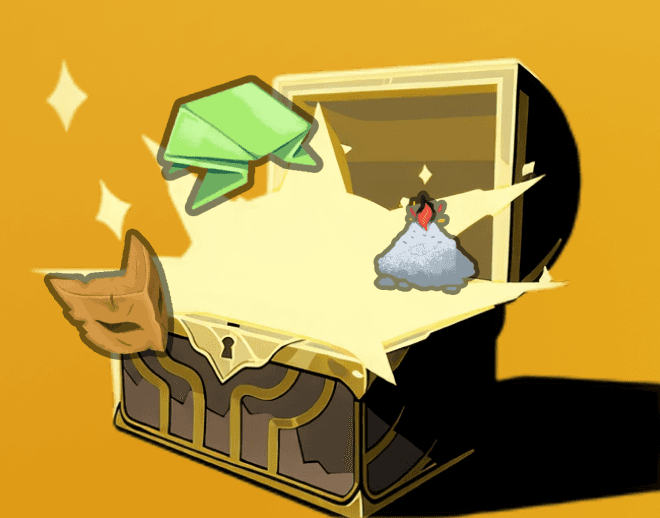
The Ironclad’s exclusive relics reinforce the same build pillars as the card pool. There’s very clear support for Strength scaling, Exhaust synergies, Vulnerable, and self-damage with very little overlap between them.

Exclusive Ironclad Potions
There are three Ironclad-exclusive potions in StS: an Exhaust synergy tool, straightforward sustain, and a temporary buff to your Strike cards.
Exclusive Ironclad Mechanics
As what is essentially the introductory character to Slay the Spire, the Ironclad is actually the only character without any exclusive mechanics.
Detailed Build Directions for the Ironclad
Exploiting synergies around Vulnerable, Exhaust, self-damage, and Block forms the Ironclad’s best-defined card packages. Keep in mind that these directions aren't mutually exclusive. Often, the correct decision is to mix strengths and packages from different directions to have the best chance of success. Strength buffs help make the most out of Vulnerable and self-damage strategies.
Strike Slop
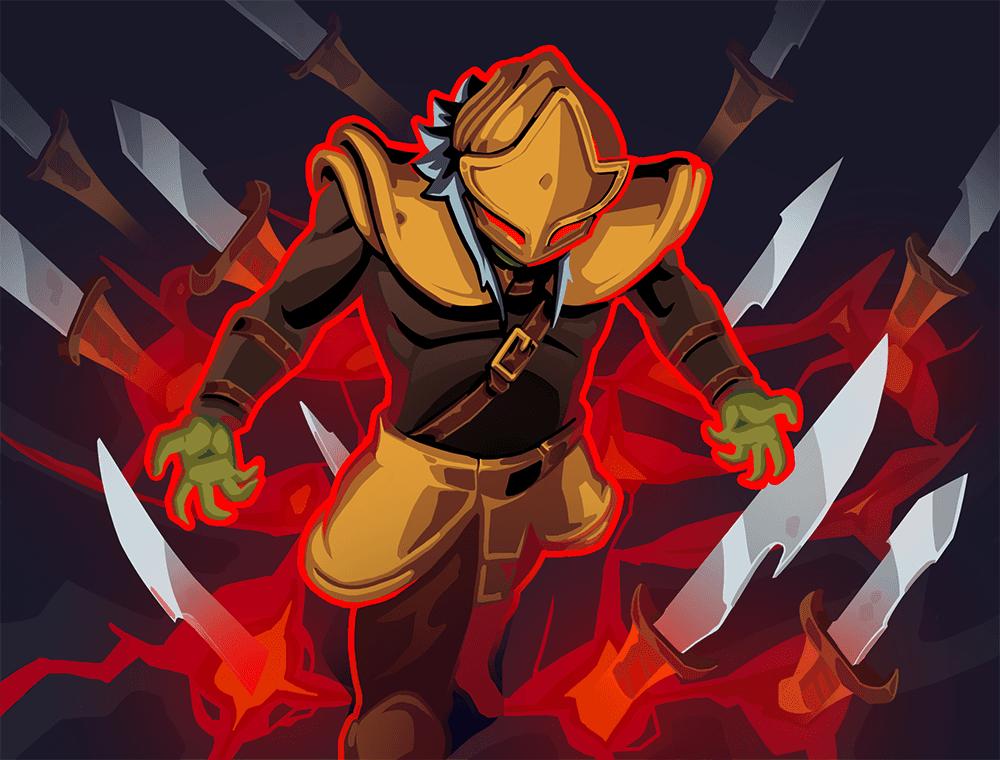

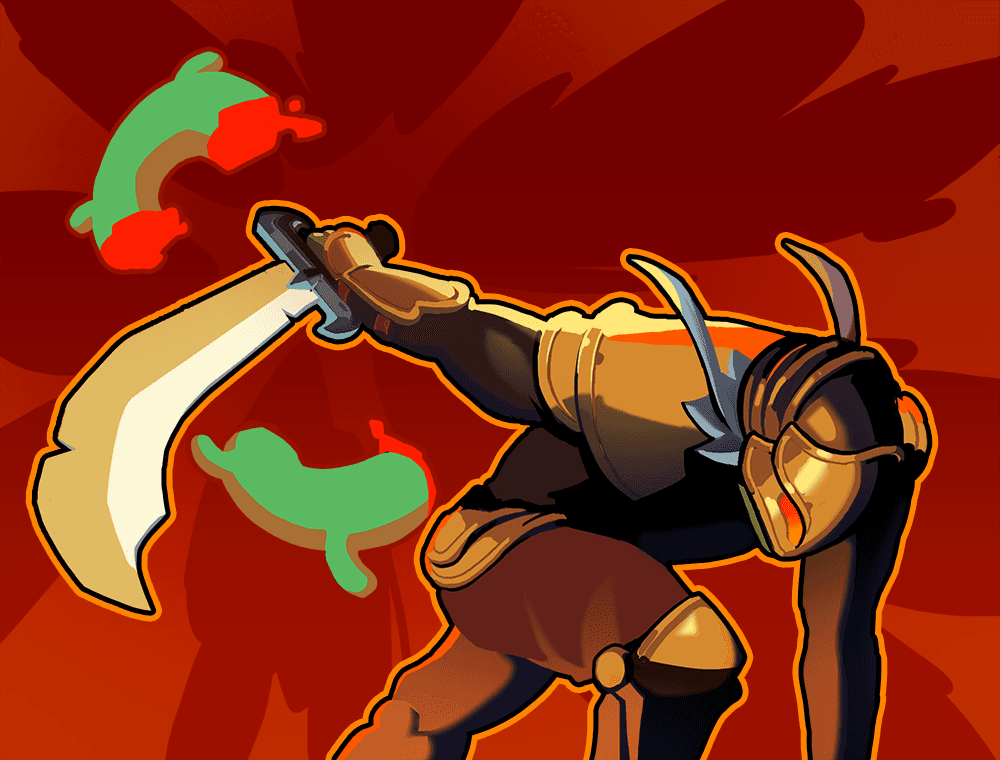
Strikes have gotten a cool new tool in Slay the Spire 2 with  Hellraiser, which plays each Strike you draw for free. This can lead to a somewhat degenerate play pattern where, if you draw enough cards, the combat is pretty much played for you. Hence the name: Strike Slop. The key card when playing around this is Pommel Strike, when you have enough upgraded Pommel Strikes you can go through most of your deck, or even loop a near-infinite number of them.
The other big payoff, as always, is Perfected Strike. Even if you don't have the perfect setup with multiple upgraded Pommel Strikes, this can still be a strong package if you have other means to amplify their damage.
Vulnerable Builds
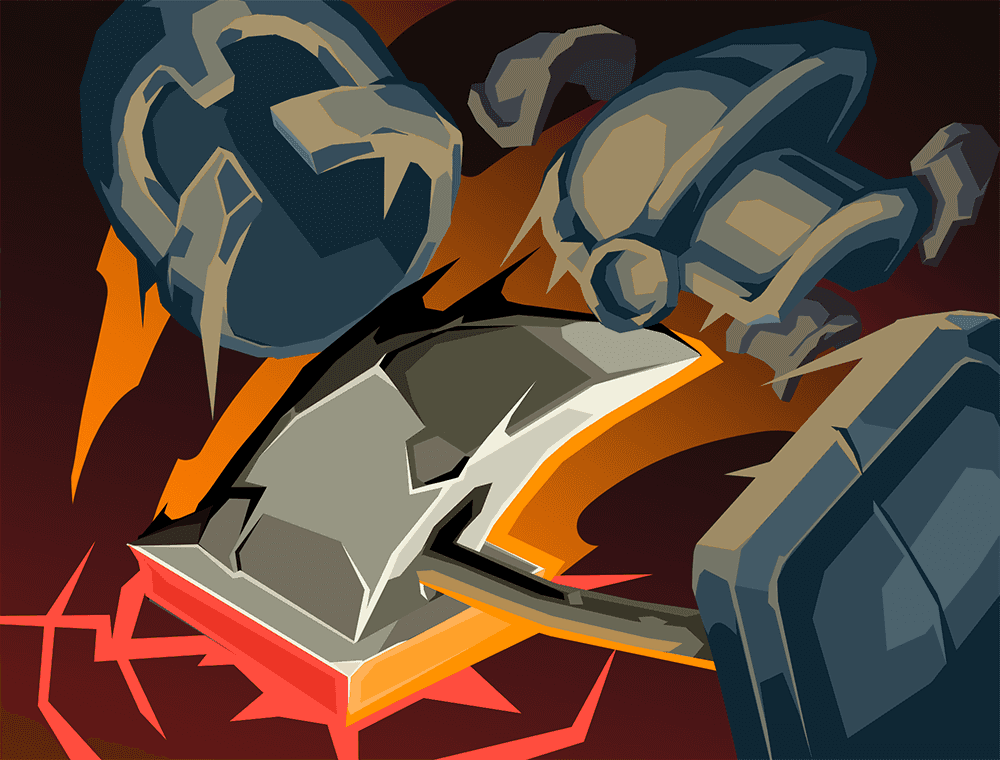
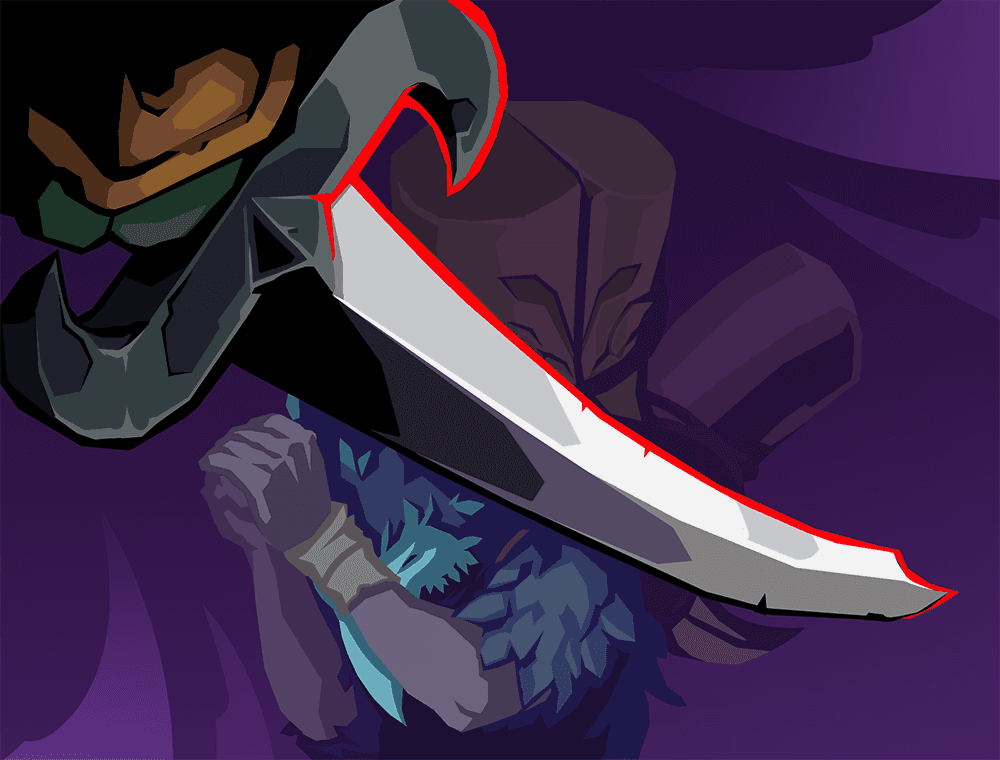
Vulnerable has become a full-fledged direction in Slay the Spire 2, with many kinds of synergistic cards that let you benefit from its application.
Dominate is the best payoff alongside Bully. Tremble is an efficient source of Vulnerable, applying 3 for 1 Energy. Molten Fist is okay if needed, but it Exhausts, so it’s not the best early. Cruelty doubles the effect, which is great, especially if you can combine it with  Paper Phrog. Vicious is also a good payoff card for the package.
Exhaust Builds






Exhaust builds synergize with Corruption, making all Skills cost 0 Energy but "burning" them after use. While the synergies are very powerful, getting started with building them out is tough. Pick the generally good cards that also happen to exhaust like Fiend Fire, Second Wind, Burning Pact, etc. and then pick the Powers that benefit from it, like Feel No Pain and Dark Embrace and see whether it’s worth leaning into further.
Ashen Strike could also be a reason to lean more into Exhaust from that point on. Burning Pact can lead to some really streamlined strategies and is great support for most build directions. Evil Eye, as previously discussed, is strong as-is and excellent when you can take advantage of its Exhaust synergy. True Grit is usually also considered to be a strong Exhaust card when upgraded.
Second Wind can help speed up Exhausting through your deck while providing a lot of Block. When supported by targeted Exhaust for non-Skills, this can lead to very powerful deck cycles. Pact’s End is excellent damage and a great way to quickly work through your deck.
Block Builds

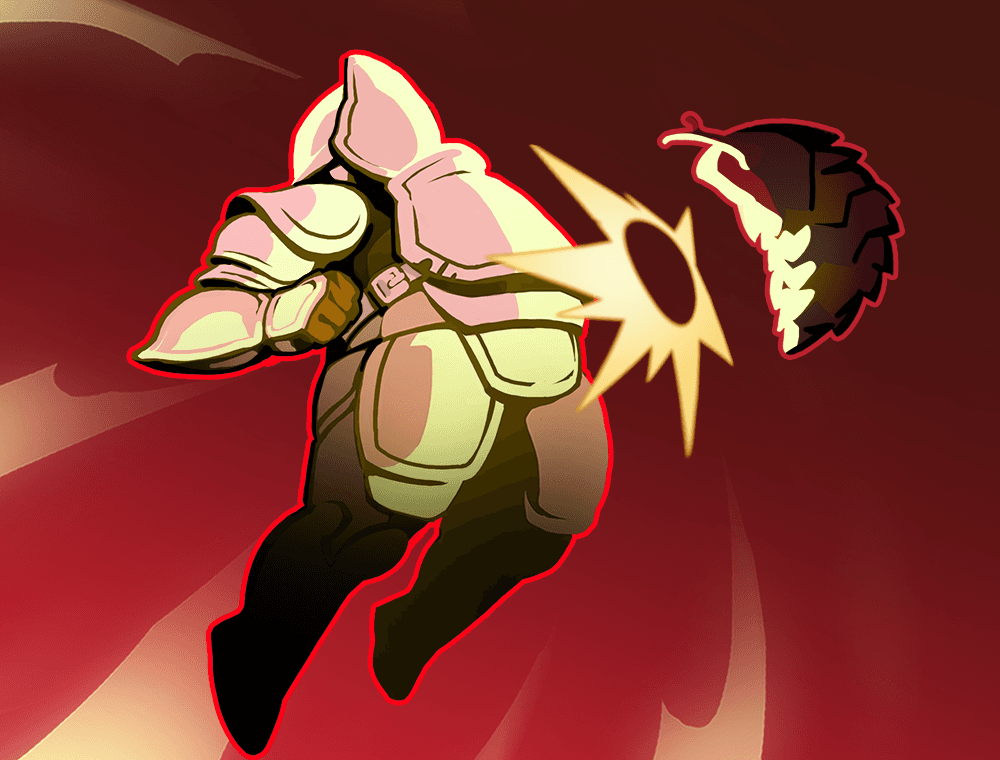

Barricade is the key card for Block builds that like to stack Block and then use cards like Body Slam to deal massive damage.
Sometimes, you will see a few premium Block cards early, along with a Body Slam. The new Rare card, Unmovable, is more than enough to support this Attack by itself, and it gets even better if you can use cards like Burning Pact to exhaust your Attacks and smaller Blocks while quickly drawing towards your upgraded 0-cost Body Slam.
 Prolong is a great Colorless choice for Block builds, and, of course, all related Relics like
  Pael's Legion or
  Vambrace can be a strong signal to consider this build direction.
Self-Damage Builds



With the right cards, you can make a build around damaging yourself, too. Rupture and Inferno are critical cards, with other noteworthy cards being Bloodletting, Crimson Mantle, Offering, and Tear Asunder. As secondary choices for this package, consider Blood Wall, and Hemokinesis.