
Directional Relics in Slay the Spire 2 help you pivot your build into a specific archetype instead of offering generic value. Spotting these correctly is the difference between a strong run and a weak one; just a few can supercharge your chosen strategy.
What Are Build-Signaling Relics in Slay the Spire 2?
While general Relics provide value across the board, build-signaling Relics target a specific subset of cards and only work if you build around them.
 Mummified Hand makes a random card in your hand cost zero whenever you play a Power. If you're not playing Powers, it does nothing.
  Tingsha deals three damage to a random enemy every time you Discard a card. If you're not discarding, it just sits there.
Compare that to something like  Anchor, which starts you with ten Block every combat, or
 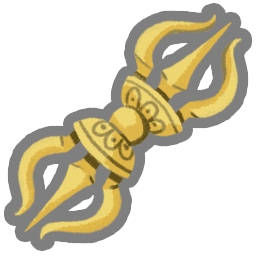 Vajra, which gives you one Strength. Those work in any deck. Directional Relics don't.
You need to commit to an archetype early for a strong run. A deck with a clear plan by floor fifteen beats a pile of cards that don't work together, even if those cards look strong on their own. The best Relic in any run usually aligns with the direction your other rewards are already pushing you toward.
How to Spot a Directional Relic in Your Offers
There are three quick tests that tell you whether a Relic is directional:
- Does it only pay off with a specific card type of keyword? Powers, 0-cost attacks, discards, Exhaust. If the Relic does nothing unless you’re playing a specific kind of card, it’s directional.
- Does it reward a specific deck shape? Some Relics only work if your deck is built a certain way, whether that’s a very thin deck or small hand sizes.
- Does it lock out or discourage a different path? If picking the Relic means you can’t do something else, it’s directional. For example, Gold-blocking Relics force you to sacrifice your shop routes.
If you see Mummified Hand late in a run but have no Powers in your deck, skip it, even though it looks strong on paper. If you’re playing Silent and both Tingsha and  Tough Bandages show up early, you should commit to that archetype.
The Strongest Build-Signaling Relics by Character
If you find any of these Relics early on in your StS2 run, you have a real chance to pivot to a specific build.
Ironclad
- Vajra /
 Red Skull: Strength scaling. Vajra gives one Strength at the start of combat, Red Skull gives three when you're below 50% HP. Both turn multi-hit attacks into finishers.
 - Charon’s Ashes: Exhaust build. Every time you Exhaust a card, add a random card to your hand. Pairs with Burning Pact.
 Self-Forming Clay /
  Demon Tongue: Self-damage build. Clay gives you 3 Block next turn when you lose HP. Demon Tongue heals the first HP you lose on your turn. Both make self-damage cards like Offering, Breakthrough, and Hemokinesis safer to use. Works best with the Rupture card, which gives Strength when the Ironclad loses HP.
Silent
- Tough Bandages / Tingsha: Sly-Discard build. Bandages give Block on Discard, Tingsha deals damage. Both need Discard enablers.
 Snecko Skull /
 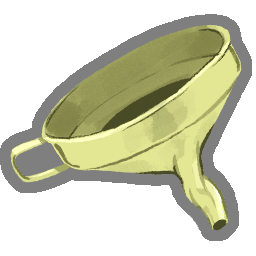 Twisted Funnel: Poison build. Scales with Poison application.
 Kunai /
  Shuriken: The classic Silent build focusing on the Shiv mechanic. Gain Dexterity after playing three Attacks. Shiv decks trigger this effect often.
Defect
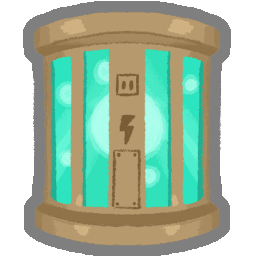 Power Cell: Claw build. All for One returns 0-cost cards from discard. Claw reduces its own cost and gains damage every time you play it.
- Focus-scaling Relics: Orb and Focus build. Orbs scale with Focus, so Relics that boost Focus matter.
- Frost / Lightning Generators: These complement Defect Orb builds, but don't define them alone.
Regent
 Mini Regent /
  Divine Destiny: The Regent Star Engine. Generates Stars passively which persist between turns. Pairs well with Duplicator Potion.
 Throwing Axe / Attack Relics: These make Sovereign Blade stronger to the point where it can be a full build.
Necrobinder
- Osty Buff Relics: Osty build. Keep our handy friend alive and scales it.
- Doom Stackers: Doom build. Executes enemies when HP drops below the Doom threshold.
- Soul Generators: Soul build. Souls are a unique keyword for the Necrobinder.
Relic Choices: When to Commit and When to Hedge
The rule of thumb for how to pick Relics is to commit when you find two of these build-signaling Relics early on in a run. If you only find one, stay flexible until you get more signals to double down.
If you see a directional Relic and one or more cards that work with it, that's your build. Tingsha or Tough Bandages plus two Sly cards in Act 1 means you're going Sly-Discard. Charon’s Ashes and Burning Pact early on is a good indicator you should push for the Exhaust build..
If you see a directional Relic with no supporting cards, take something else. Mummified Hand with no Powers is a dead pick. Tingsha with no discard cards does nothing for you.
Forcing a build around a single Relic when your cards point somewhere else is how you die in Act 2. By floor 15, your deck should have a clear identity. If it doesn't, you either missed the signals or you hedged too long.
Directional Relics That Change How You Path
Some relics don't just change combat. They change how you move through the map.
 Maw Bank means you need to avoid shops entirely.
 Ectoplasm makes you want to skip gold events and shops. You're pathing for Elites and card rewards only.
 Sword of Stone makes it optimal to take Elite-heavy paths to get the upgrade.
Trap Relics: Strong on Paper, Directional in Disguise
Some Relics look like they help all builds, but they actually lock you into (or out of) specific ones.
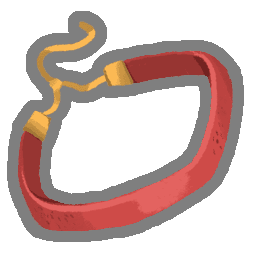 Velvet Choker: Kills combo decks. Silent and Defect builds that want to play ten or more cards in a turn can't function with this.
 Brimstone: Only works if you're ending fights quickly. In Act three, letting bosses gain free Strength scaling is how you lose.
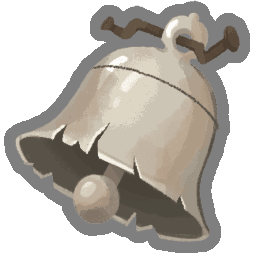 Calling Bell: Only good if you have Curse synergy like
  Darkstone Periapt. Otherwise, the downside isn't worth it.
 Big Mushroom: If your deck needs to see specific cards early, this kills your consistency.
The point is that a Relic's text doesn't tell you if it's directional. How it interacts with your deck does.
Shop Relics vs. Combat Drop Relics
Shop Relics are known pickups. You see them and buy them if they fit your strategy. Combat drop Relics are random; you get what you get.
For shop Relics, buy what aligns with your build. Don't chase generic value. If you're building Exhaust and Charon’s Ashes are in the shop, you buy it even if it's expensive.
For combat drops, treat unexpected directional relics as a pivot signal if they're stronger than what you're currently doing. If you're building basic Sly-Discard on the Silent and you get [[Snecko Skull] from an Elite, consider pivoting toward Poison cards if your deck can support it.
The best Relics in Slay the Spire 2 aren't the ones that look strongest by themselves. They're the ones that match what the rest of your run is giving you. Two signals means commit. One signal means stay flexible.
Check out more Slay the Spire 2 articles from great content creators in the community!