

Defect
The Defect is one of three returning characters in Slay the Spire 2. It’s a robot that fights by slotting elemental Orbs into a queue that both passively and actively generates damage, Block, and more. Builds range from methodical Orb management to spamming low-cost Attacks.
What's Changed in Slay the Spire 2?
There are a few big changes:
- The all-new Glass orb does 4 damage to all enemies, decreasing by 1 each turn until it reaches 0, at which point it stops functioning. Evoking it will deal 8 damage to every foe.
- Status card synergy has been improved via cards like


 Smokestack, Iteration, and
  Trash to Treasure.
 - Unique orb count is more explicitly rewarded through Coolant,

 Compile Driver, and
  Synchronize.
Defect Builds
Orb and Focus Builds
The Defect’s Orb and Focus build is the most reliable playstyle. Stack Focus through Defragment to amplify every Orb’s passive and Evoke values; use Frost as needed for defense and Lightning for offense. Prioritize Focus upgrades early and manage your Orb slot count intentionally: having more slots isn’t always better.
Claw Builds
Claw builds are all about spamming the common 0-cost Claw card and drawing it as much as possible while cycling through your deck. With damage increasing each time it’s played, you almost completely ignore the Orb mechanic. With All for One, you can reliably return it to your hand, but the build is a bit inconsistent without it.
Uproar Builds
Uproar builds want to thin their deck as much as possible to the point that Uproar is the only Attack card in it. That way your Uproar chains into another Uproar and into yet another Uproar and so on. It’s really consistent if you can get it up and running, but it does take purposeful setup.

Exclusive Defect Relics
The Defect’s exclusive Relics all revolve around Orbs and Orb slots with the exception of  Power Cell.

Exclusive Defect Potions
There are three Defect-exclusive potions: one that fills all Orb slots with Dark Orbs, one that gives you more Orb slots, and another that generates Focus.
Exclusive Defect Mechanics
The Defect does have some exclusive mechanics to learn:
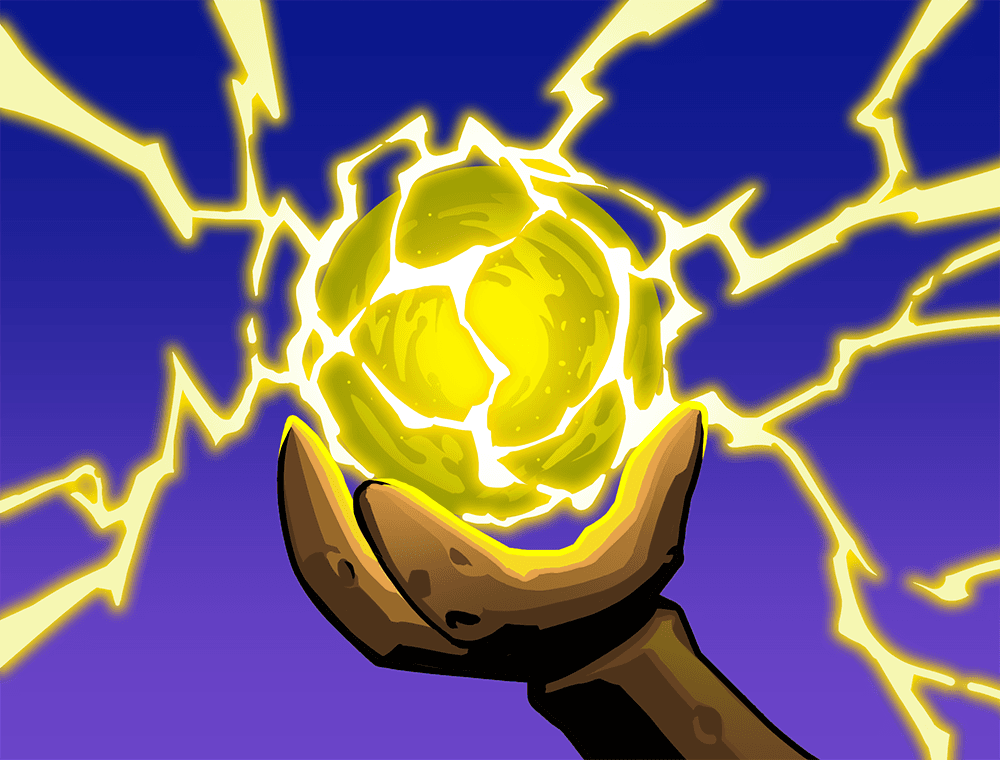
- Orbs - The Defect’s signature mechanic. Orbs sit in slots and trigger a passive effect at the end of every turn. When a new Orb is Channeled into a full queue, the rightmost Orb Evokes, triggering a stronger effect one time before it is removed. There are five types: Lightning deals damage, Frost generates Block, Dark builds up over time before being Evoked for large amounts of damage, Plasma generates extra Energy, and Glass deals AOE.
- Focus - A stat exclusive to the Defect that increases the numerical value of every Orb’s passive and Evoke effects.
- Channel - The keyword for adding an Orb into your queue.
- Evoke - The keyword for triggering an Orb’s active effect and removing it from the queue.
The Defect's Early Game
The Defect's starting Relic,  Cracked Core, Channels one Lightning Orb at the start of each combat. Combined with the two unique starter cards Zap, which Channels a Lightning Orb for 1 Energy, and Dualcast, which Evokes your next Orb twice for 1 Energy, the Defect has reliable passive damage from the very first turn of a run. This gives you flexibility in the early game to Block and deal damage simultaneously, or burst enemies down with Dualcast when needed.
For the first few picks, you are generally just taking the strongest individual card on offer. Occasionally the strongest card points toward a less common strategy like Claw and Feral combos, and that is where runs can branch off into something unexpected.
The next section will cover the Commons and Uncommons worth taking in the early game to set you up for success against the Act 1 Elites.
Strong Commons to Pick With the Defect


Attacks:
- Cold Snap: One of the best Commons you can see. Generating a Frost Orb early reduces the chip damage you take from early fights significantly.
- Ball Lightning: Generates a Lightning Orb. Filling your starting three Orb slots is when Defect is at its strongest early, and this establishes the core game plan from the very first floor: passive Lightning damage while Frost Orbs handle your Block.
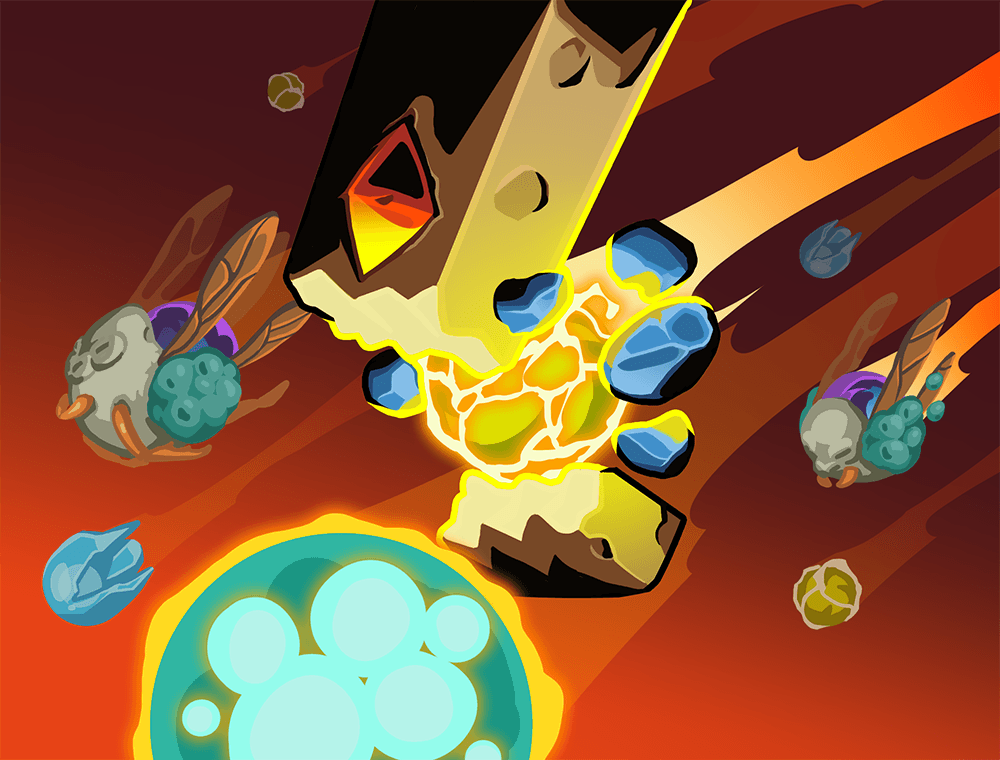
- Barrage: If you can generate Orbs reliably, Barrage deals 15 damage for 1 Energy, which is premium damage for the early game.
- Sweeping Beam: 6 damage to all enemies plus a draw is fine for the early game, especially against multi-enemy fights.
The following three require an upgrade to properly function, so only pick if you can see yourself doing so at a nearby Rest Site:
- Focused Strike: 9 damage and 1 temporary Focus provide enough value to pick unupgraded in the short term, but long-term, a basic copy starts to feel like a liability.
- Beam Cell: Often overlooked. Even in its basic form, it deals 6 to 9 damage for 0 Energy, which beats skipping.
- Go for the Eyes: Only pick this card if you can upgrade it. One turn of Weak is not enough to warrant a deck slot.
Skills:
- Boost Away: A 0-cost Block card is always useful early. The Dazed it generates is a minor downside worth accepting for the efficiency, and gives you a reason to pick up Status synergy cards later, which is a new avenue of play for Defect in StS2.
- Hotfix: 2 temporary Focus increases the effectiveness of your Orbs. Exhausts when unupgraded, so plan to upgrade it.
- Turbo: Gain 2 Energy. Not always a priority pick early, but becomes more valuable as your deck develops and your turns get more demanding.
- Charge Battery: A premium Block common that generates Energy next turn. Lets you Block and still have output, which is exactly what you want early.
- Coolheaded: Generating Frost is good. Slightly worse than Cold Snap early, but becomes better as the impact of 6 damage lessens throughout a run.
Key Uncommons to Pick With the Defect
Attacks:
- FTL: 0-Energy attack that replaces itself. No downside to adding this in.
- Tesla Coil: Good source of damage early if you have Lightning generation.
- Null: Premium. Deals damage and effectively Blocks by applying Weak.
- Sunder: A big attack that helps in multi-enemy fights or as a finisher.

Skills:
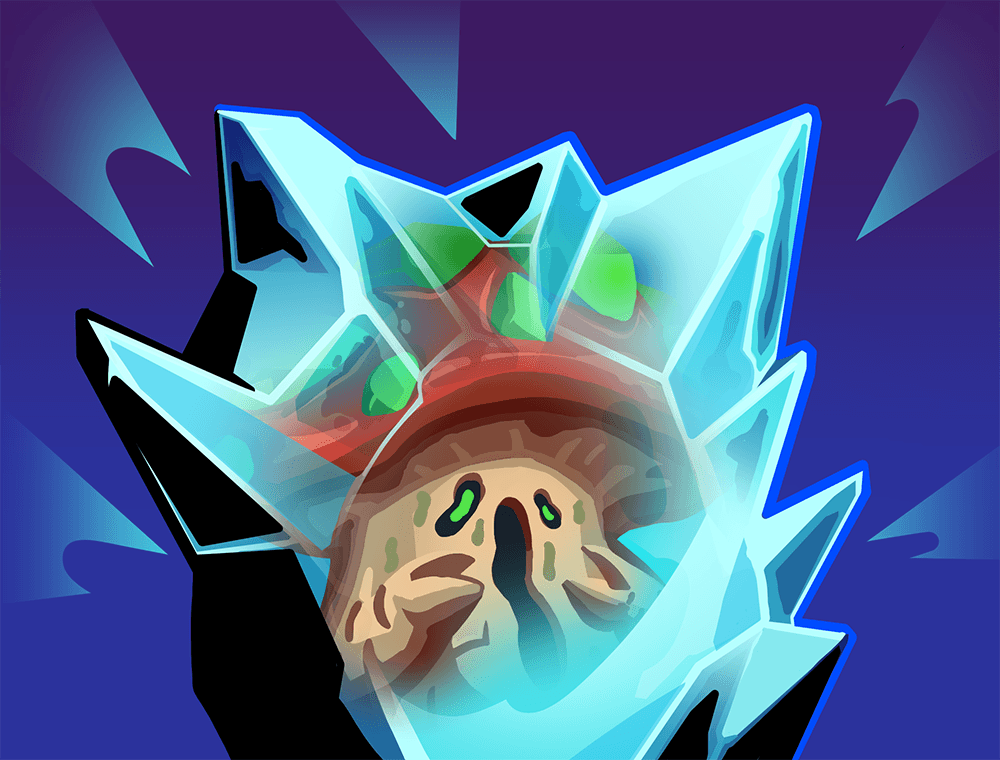
- Chill: Premium. Generates Frost Orbs for 0 Energy, and generates one for each enemy in multi-enemy fights.
- Compact: Blocks and transforms Status cards into fuel that draws a card and gains Energy. Look for this if fighting Soul Fysh or Vantom as your Act 1 boss, or if you pick up multiple Status-generating cards.
- Fight Through: Dense Block, 13 for 1 Energy. Can lead you into a Status-based direction.
- Glasswork: Blocks and generates a Glass Orb. Useful for multi-enemy coverage.
- Glacier: Generates two Frost Orbs, really helpful for filling slots with recurring passive Block.
- Shadow Shield: Blocks 11 and generates a Dark Orb. Block and damage in one card.
Powers:
Uncommon Powers are situational. Keep in mind your current run state when deciding whether to add one to your deck.

- Capacitor: More Orb slots are powerful, but if you do not have the Orbs to fill them, the payoff is delayed and this will be a dead or low-impact card until then.
- Hailstorm: Great passive damage if you have consistent Frost access.
- Iteration: Depends on the boss or on having multiple Status cards.
- Loop: Underwhelming in its basic form. Best with permanent Focus or Dark Orbs.
- Smokestack: Decent damage with multiple Status cards.
- Bulk Up: Good if you can give up an Orb slot and afford 2 Energy to put it in play.
- Feral: This card has a chicken-and-egg relationship with Claw. Build around this primarily after a transform or if you have one of the debuff attacks you want to replay.