

Necrobinder
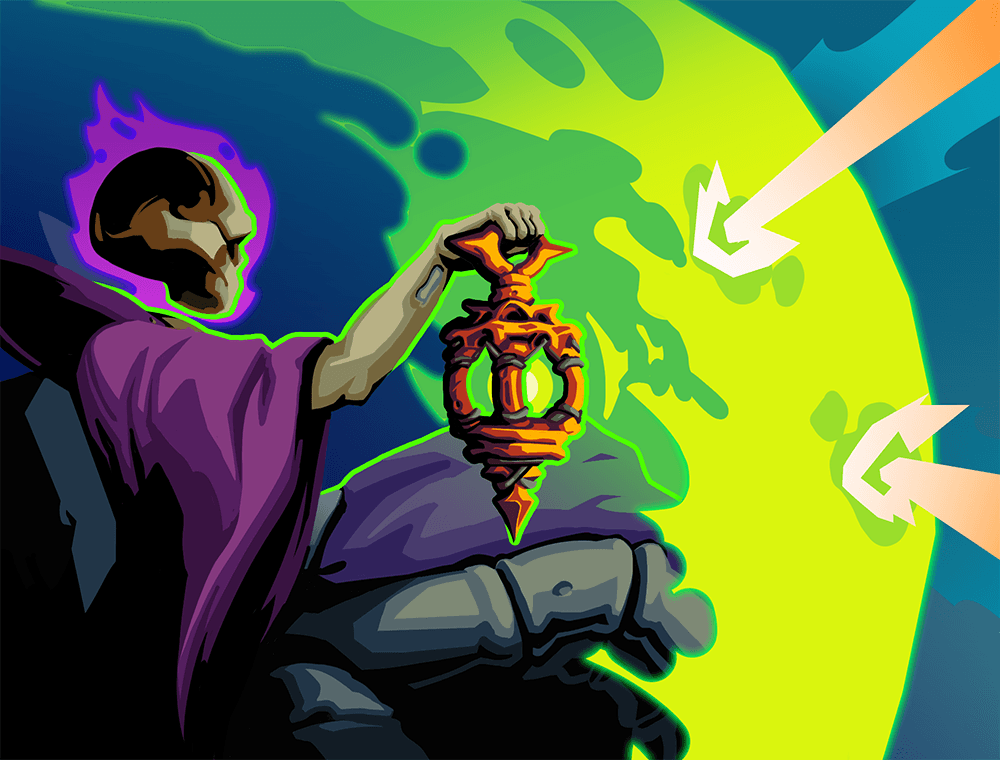
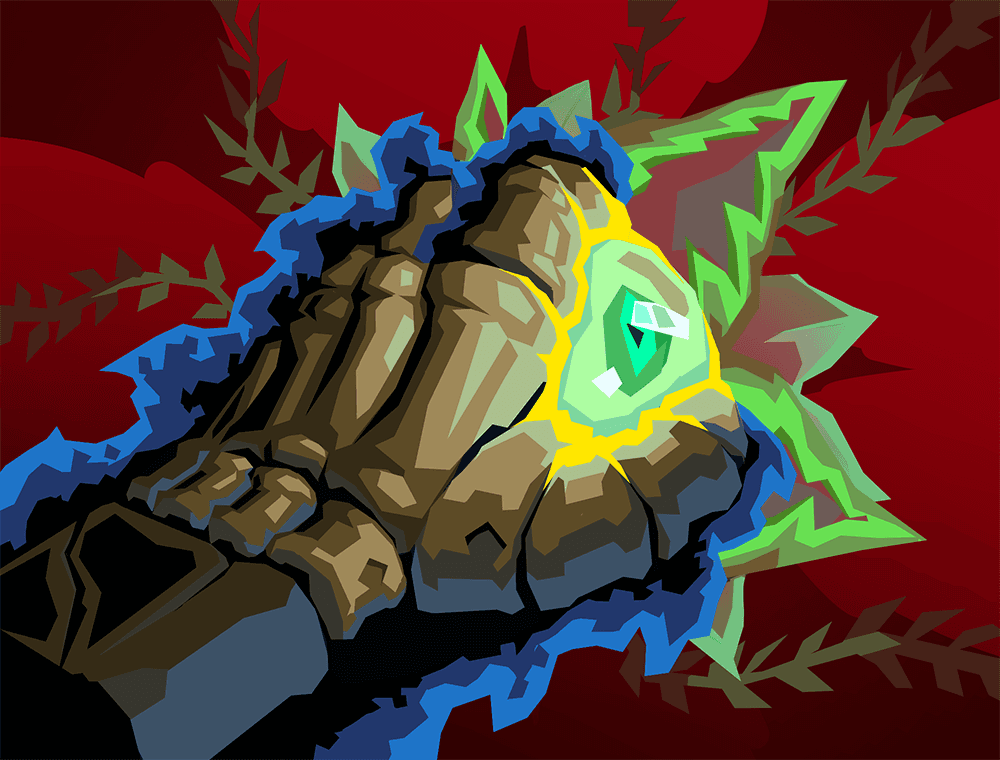
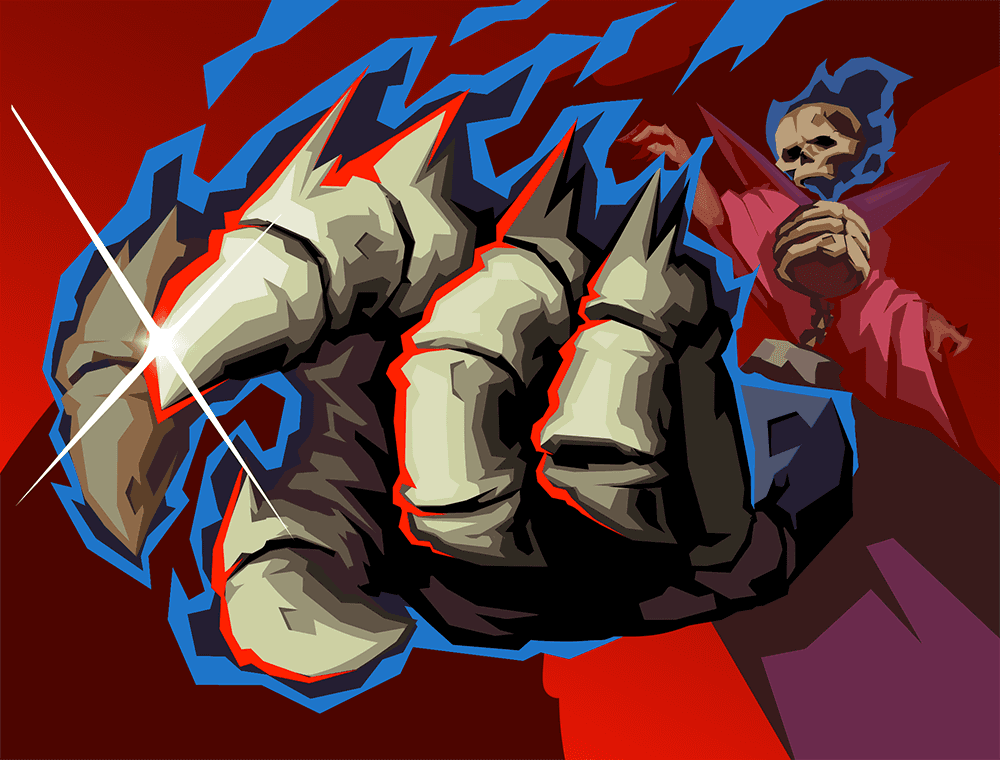
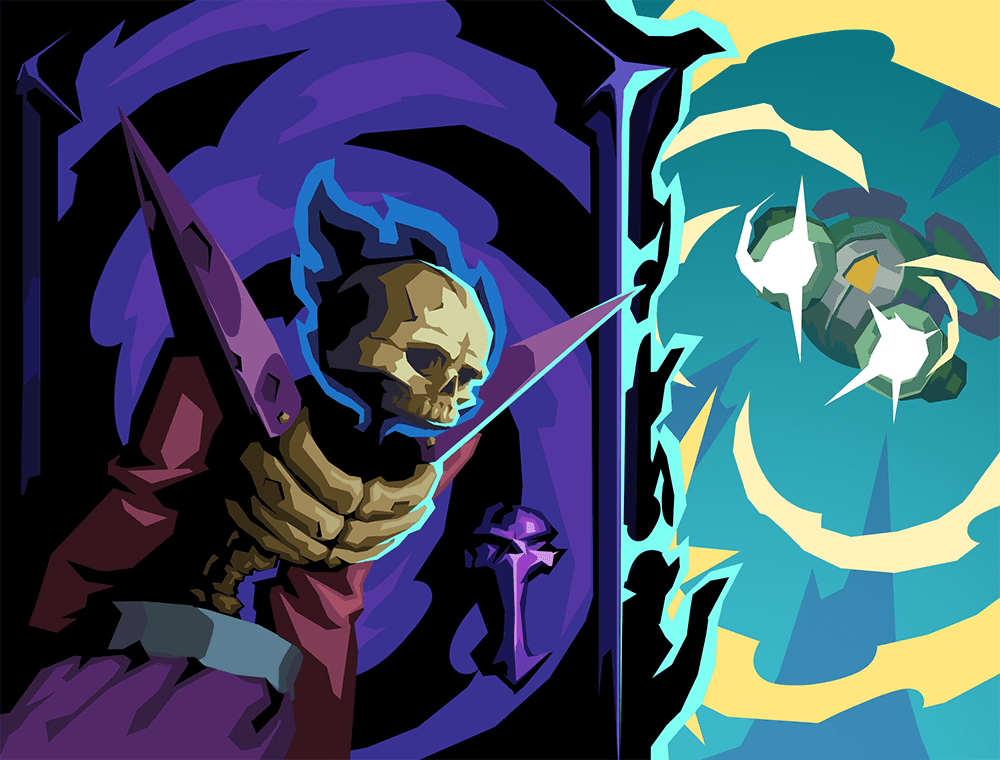
The Necrobinder is one of two brand-new characters in Slay the Spire 2. She’s a lich who fights alongside Osty, a giant reanimated hand, and her kit is built around three interlocking systems: building up and using Osty as both a shield and a weapon, stacking Doom on enemies as a quasi-instant kill, and churning through Souls for card draw. Like the Regent, everything about how she plays is entirely new to the series.
Exclusive Necrobinder Mechanics
The Necrobinder does have some exclusive mechanics to learn:
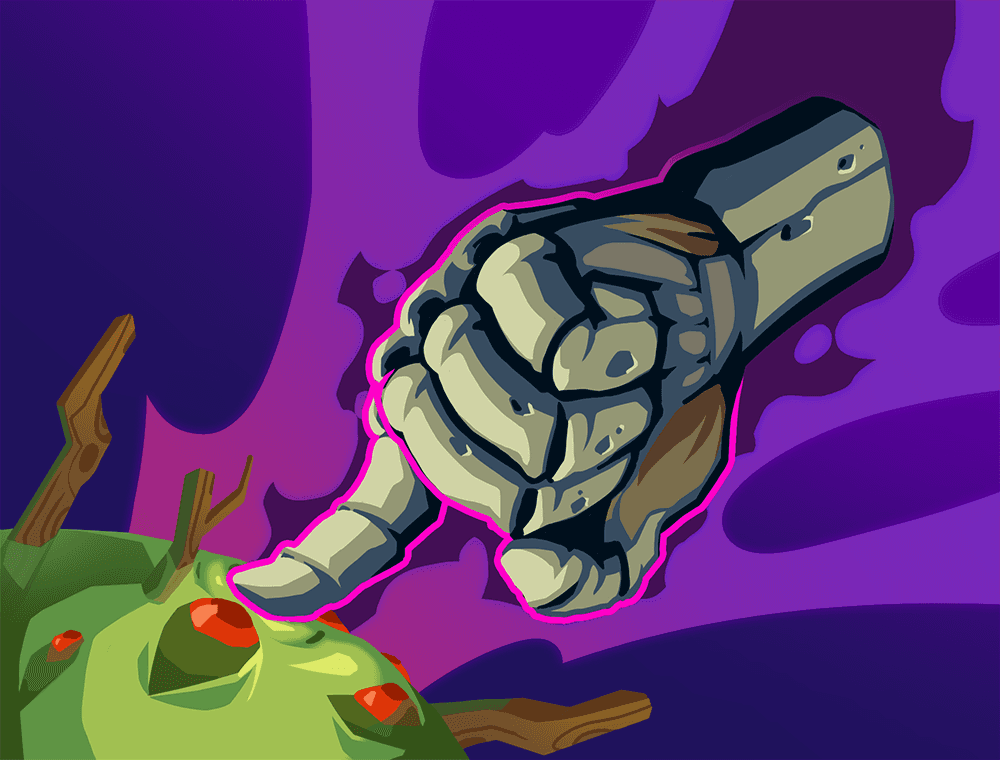
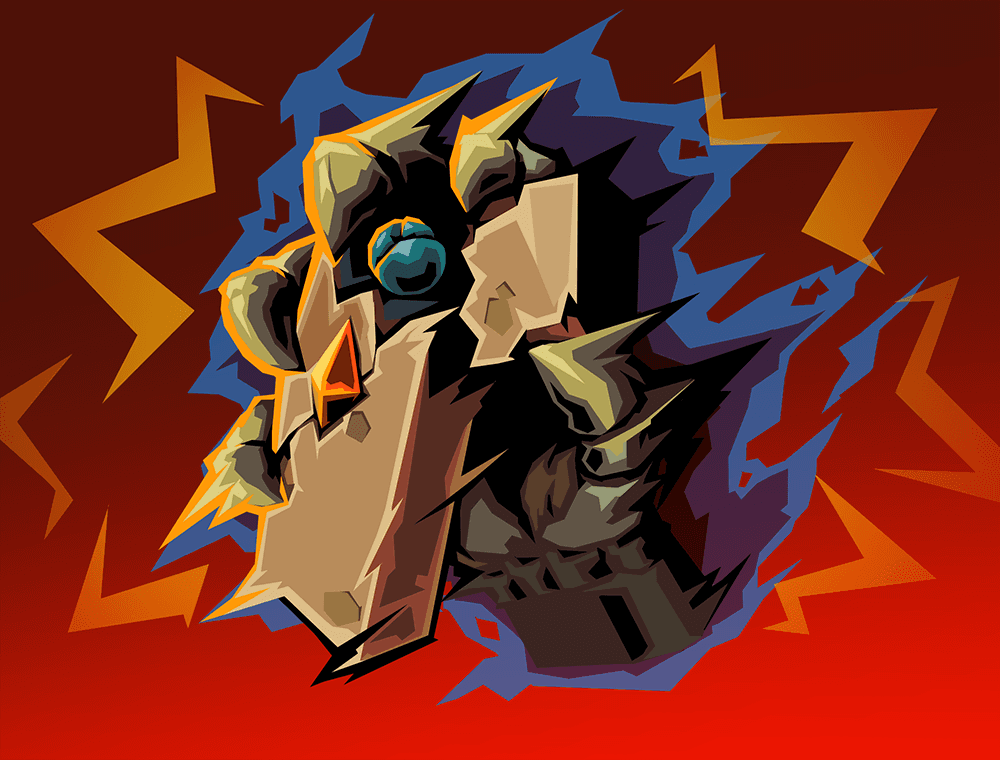
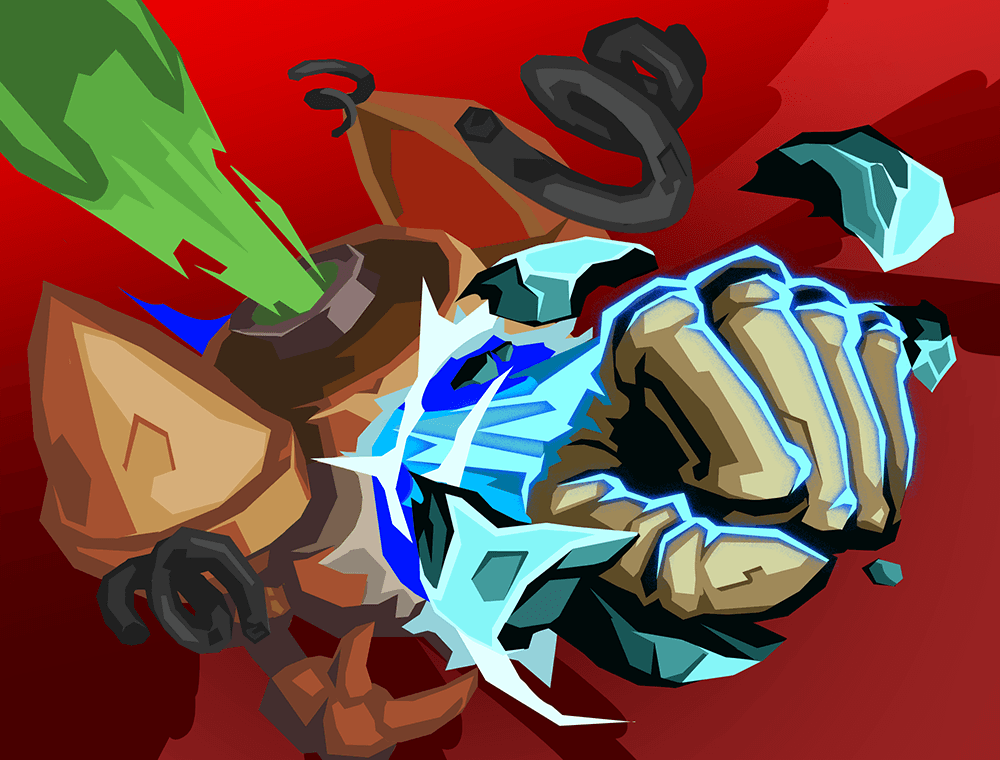
- Summon - A keyword that, strengthens the Necrobinder’s minion, Osty. Osty can attack enemies independently, allowing him to keep dealing damage even if you’re debuffed. He also acts as a shield, intercepting Attacks that would hit you, even to the point of its own death.
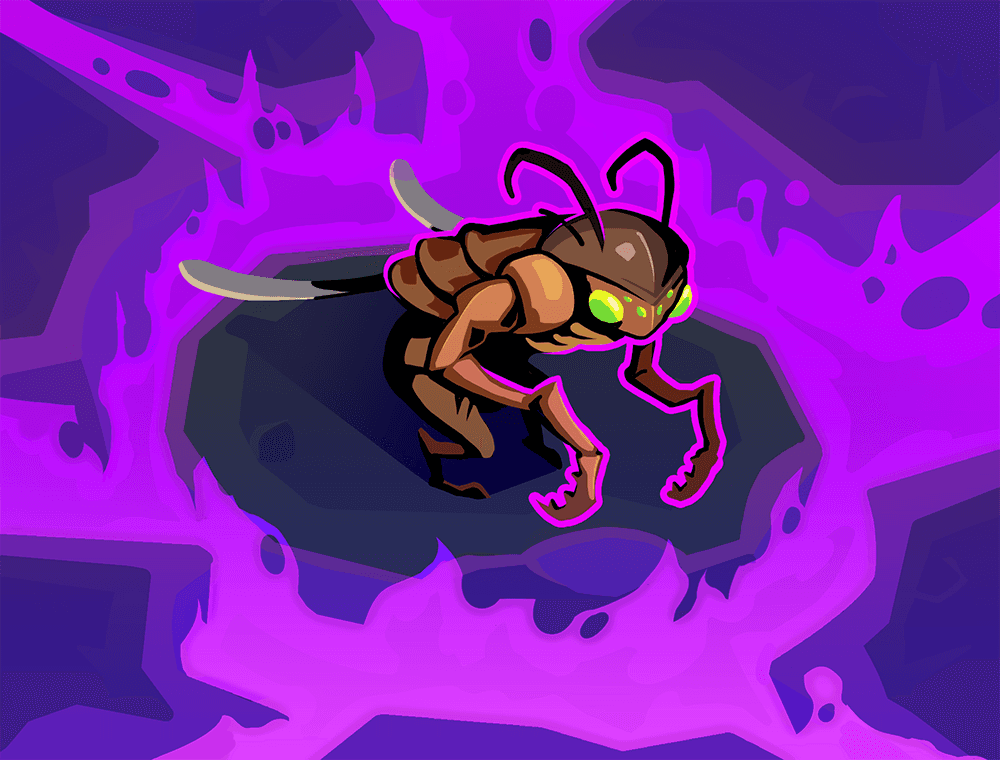
- Doom - A stacking effect similar to Poison, but instead of dealing damage each turn, Doom instantly kills an enemy if its total value ever exceeds their maximum HP at the end of their turn.
- Souls - Generated cards that cost nothing, draw two cards, and are then Exhausted.
Necrobinder Builds
Doom Builds
Aim to stack Doom quickly with cards that accelerate the Doom applied to enemies, or big Block cards that help address the downside of Doom killing after the enemy's turn.
Soul Builds
Use generated Soul cards to rapidly cycle through your deck, with bonus payoffs for playing them that can fuel either damage or Osty's HP depending on your other cards. Combine overall strong Necrobinder cards with Soul-specific ones like 

 Haunt and
 Soul Storm.
Ethereal Builds
Before Necrobinder, Ethereal was mainly a downside that exhausted your powerful cards if you could not play them on a turn. Now, Ethereal builds turn a traditional weakness into a strength, using cards that get stronger or cheaper the more Ethereal cards you play.
Exclusive Necrobinder Relics
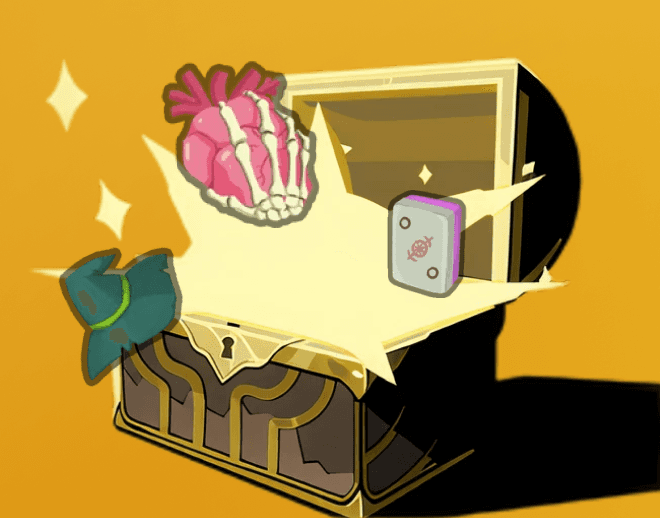
The Necrobinder’s exclusive relics help her builds perform even better with buffs to Osty, Doom stacking, and extra Soul generation.
Exclusive Necrobinder Potions
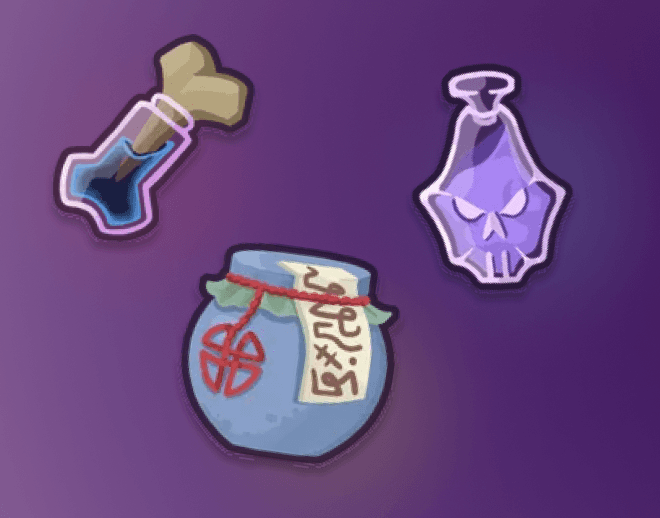
There are three exclusive Necrob potions: free health for Osty, immediate extra Souls, and a large burst of Doom.
Understanding the Necrobinder
Early Game
The cards highlighted below are good regardless of which direction your run takes, but understanding how they connect to the archetypes outlined above will help you make better decisions when card rewards start pointing you in a specific direction.
Strong Commons to Pick With the Necrobinder






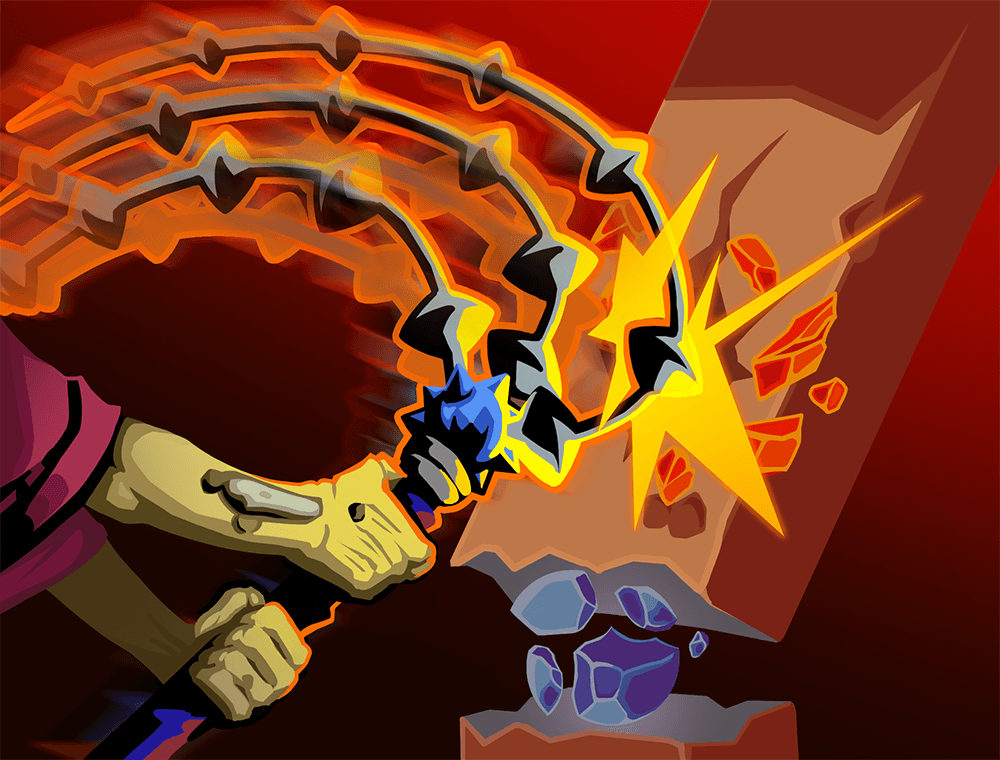
Attacks:  Poke, Blight Strike, Defile, Reave, Fear: Fear is especially worth mentioning. Vulnerable is a very strong effect in Slay the Spire 2, increasing your attack damage by 50%. A lot of the difficult fights in the early game (Elites) are damage checks, so dealing more damage is key.
Skills:  Defy, Grave Warden, Negative Pulse, Scourge: Defy, like Fear, also debuffs enemies, but this time with Weak. Weak is one of the most important keywords throughout a run; enemies dealing 25% less damage is always valuable. You can find other ways to deal damage, but Weak is one of the most efficient and attainable methods of reducing enemy damage.
Strong Uncommons to Pick With the Necrobinder
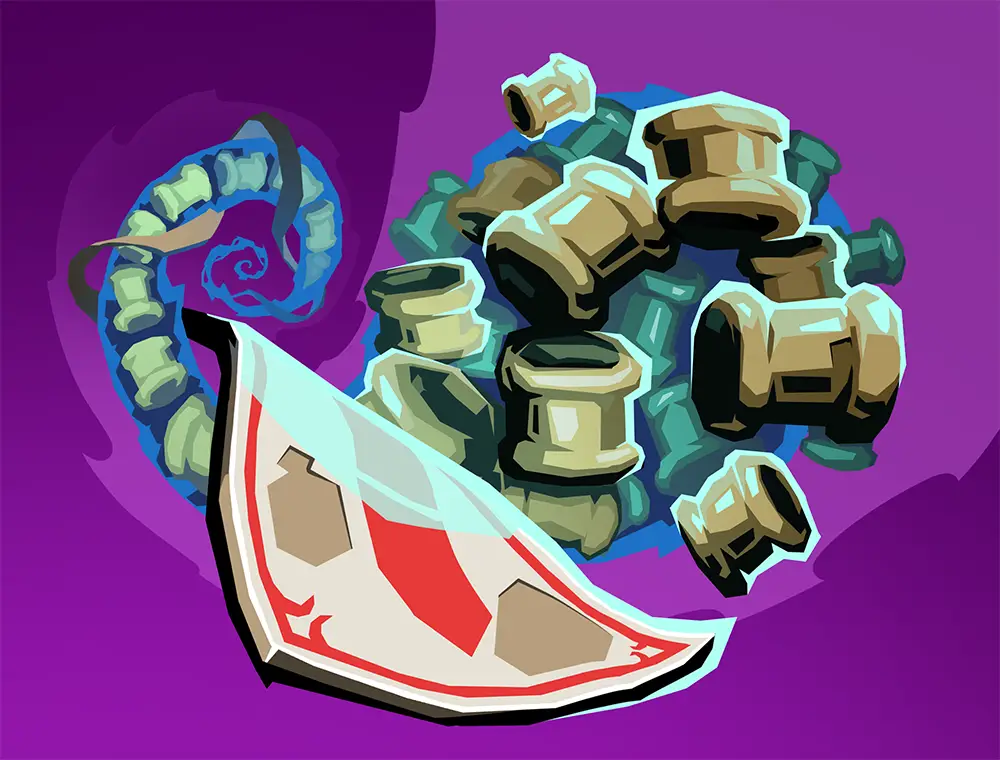


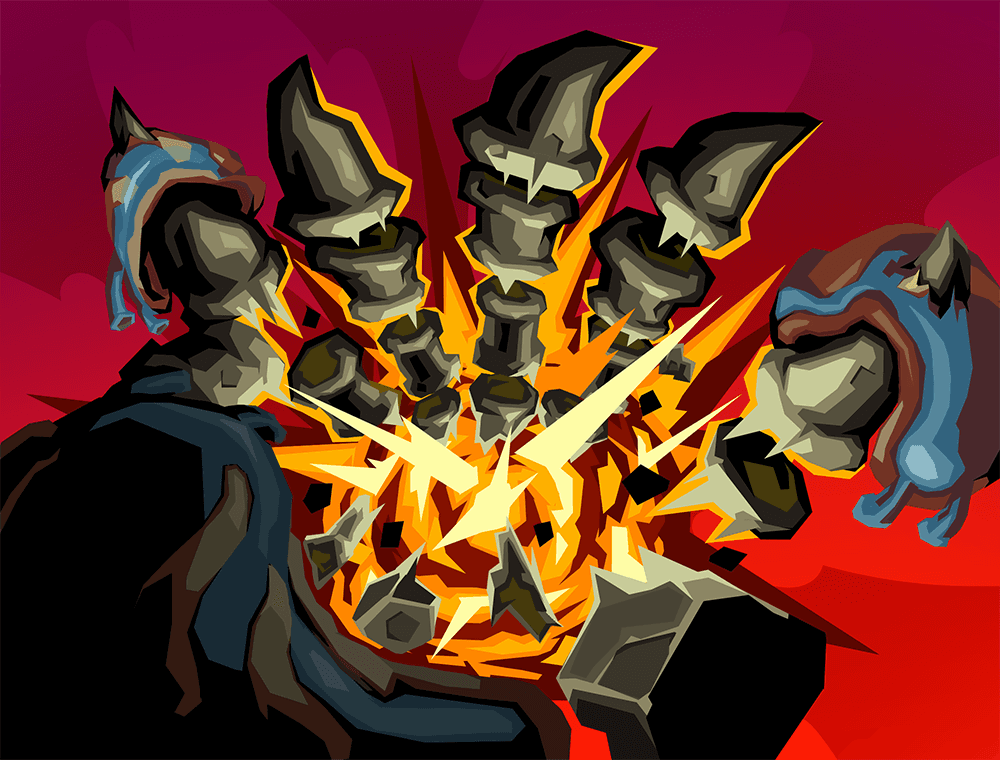
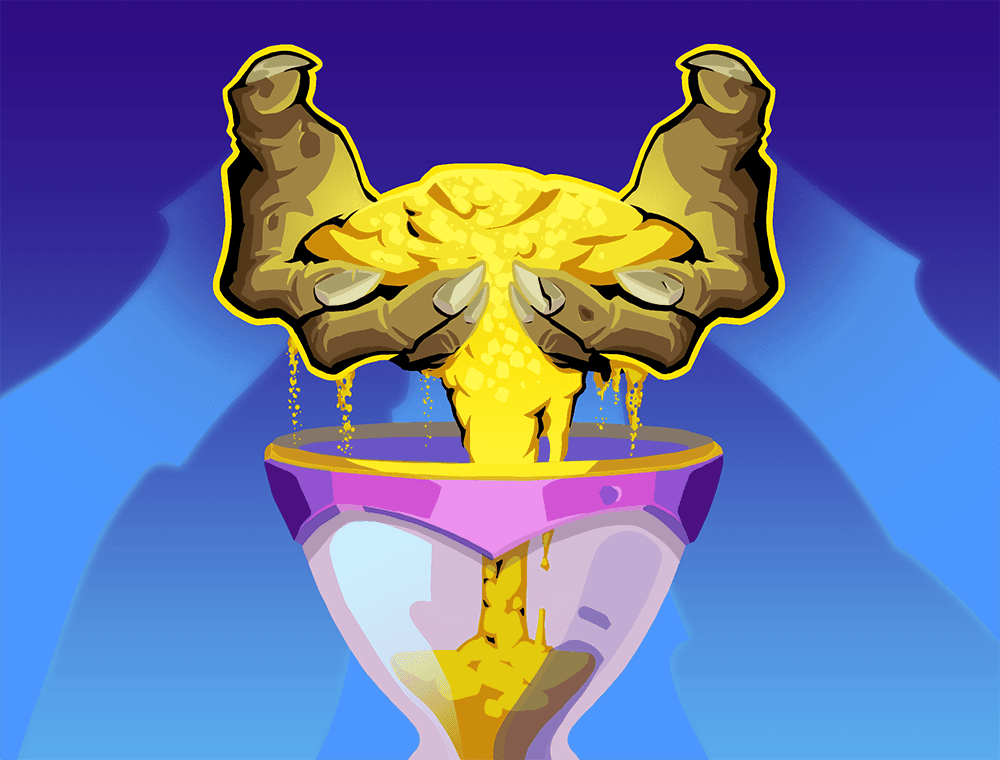



Attacks:
- Fetch: 0-cost Attack that replaces itself; a bridge towards Osty.
- Bone Shards: Good AOE damage and Block.
- Debilitate: Doubling Weak and Vulnerable is very strong and can carry runs on its own.
- High Five: AOE and Vulnerable; another generically okay Osty card.
Skills:
- Borrowed Time: Good source of Energy when you will be limited to 3 for most of the run.
- Dirge: Great source of Souls and Summon.
- Capture Spirit: Strong Souls source that adds consistency.
- Enfeebling Touch: Reducing enemies' attack works similarly to Block most of the time, but is excellent against multi-hit enemies.
- Deathbringer: Large AOE number and Weak, which we already mentioned as important.
- Putrefy: Source of Vulnerable and Weak. It does Exhaust, so you will need other sources.
Powers:
- Countdown: This card is just okay, but if you are low on damage it can help you get through a boss fight with its consistent output. It is also a reliable applicator of Doom for cards that synergize with it.
- Friendship: Amazing. Energy is scarce, and gaining 1 more Energy a turn allows you to have more powerful turns.
- Lethality: Great card for the early game when most of your damage still comes from Attacks. It also synergizes with the Ethereal payoff cards.
Detailed Build Directions for the Necrobinder
When starting out, the best approach is to commit to whichever direction your early card rewards push you toward. This leads to more consistent and rewarding runs as you learn the character. As you gain experience, you will start to recognize when to pivot between directions, but for now, the most important thing is understanding what each direction is trying to accomplish and which cards will get you there.
Osty
Osty builds revolve around Osty's Attacks, which synergize with each other, and using the Summon mechanic to have a big Osty that will tank for you and deal increasing damage with the Unleash starter card.
Payoffs:

- Squeeze: An expensive Attack at 3 Energy, but it can deal a lot of damage, dealing 5 (6) extra damage for ALL of your other Osty Attacks.
- Rattle and Sic 'Em: Both these Attacks benefit from the number of times Osty has dealt damage this turn, incentivizing you to play a bunch of Osty Attacks.
- Unleash: Worth mentioning once again, but this is your main payoff for the Summon mechanic outside of reducing the damage you take, and luckily, you start with it.
Support: The Osty build has fewer early signals than other archetypes, making it slightly harder to identify and commit to. The best bridge card is Fetch, a 0-cost Attack that replaces itself by drawing a card. Its 0-Energy cost means it contributes to your Osty Attack count without eating into your resources. Poke and Flatten are honorable mentions as additional 0-cost Osty Attacks that feed into your payoff cards.
The other key support card worth committing a deck slot to is Calcify. This compounds quickly with 0-cost Attacks like Fetch and Poke, and becomes especially strong alongside Rattle's multiple hits.
Perhaps the clearest signal to commit to this direction is seeing two Fetches early. The combination of free cycling and Osty Attack synergy gives you the foundation to make the payoff cards worth building toward.
Doom
Doom builds revolve around debuffing the enemy with Doom, an above-curve damage source with the downside of allowing enemies to complete their turn before killing them. This means leaning towards defensive cards is key.
Payoffs:
- No Escape: This card applies more Doom for every 10 Doom on the enemy, giving you ways to accelerate Doom against high-health enemies.
- Death's Door: An amazing Block card with the potential to block 18-21 damage for just 1 Energy. When blocking this much, the downside of enemies still having a turn can be mostly negated.
Support: With just two main payoff cards, Doom can sometimes feel like something splashed into other builds rather than a primary game plan. However, there are situations where it is still the main thing your deck is doing, and it has some of the strongest standalone commons of any archetype, making it easy to accumulate Doom cards naturally over a run.
Sleight of Flesh, while not a Doom card itself, combined with the frequency that Doom cards apply debuffs, can become a significant damage source that complements the archetype naturally.
End of Days is another strong option that partially addresses Doom's main downside. By applying large amounts of AOE Doom and immediately executing any enemy that already meets the threshold, it can single-handedly end fights and avoid the wait for Doom to trigger.
In summary, Doom has enough strong standalone cards in Blight Strike, Negative Pulse, and Scourge that you will often find yourself with a foundation without actively seeking it. If you then find No Escape, Death's Door, or Sleight of Flesh, you have a signal that Doom is worth building around.