

Directional Relics in Slay the Spire 2 help you pivot your build into a specific archetype instead of offering generic value. Spotting these correctly is the difference between a strong run and a weak one; just a few can supercharge your chosen strategy.

What Are Build-Signaling Relics in Slay the Spire 2?
While general Relics provide value across the board, build-signaling Relics target a specific subset of cards and only work if you build around them. This is because they have very specific synergies.
 Mummified Hand, which makes a random card in your hand cost zero whenever you play a Power, does nothing if you're not playing Powers, or if the endgame build you have in mind has no meaningful Power cards to think of.
  Tingsha and its relation with discarding cards is similar.
Something like  Anchor or
 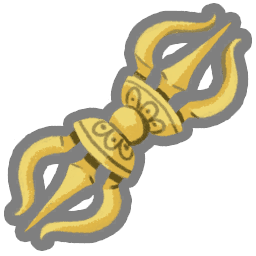 Vajra, work in any deck, but the benefits they provide are small, and won't win you the run by themselves. Directional Relics are different.
How to Spot a Directional Relic in Your Offers
If the Relic does nothing unless you’re playing a specific kind of card, or only function if your deck is built a certain way (think Discard pile size or limited number of cards in your hand), and actively force you to avoid specific cards and scenarios (like Gold-blocking Relics forcing you to sacrifice your shop routes), it can be run-defining.
Timing matters here, too. An early  Frozen Egg will push you towards picking up multiple Powers, but it is an outright weak pickup early in the game. If you’re playing Silent and both Tingsha and
  Tough Bandages show up early, you should commit to the Discard archetype – but they are poor pickups for a different kind of build in Act 3.
The Strongest Build-Signaling Relics by Character
If you find any of these Relics early on in your StS2 run, you have a real chance to pivot to a specific build. Certain generically powerful Relics are extra impactful on specific characters.
The Ironclad can lean into Strength scaling with [Red Skull]] and get greater benefits from Vajra than other classes.  Self-Forming Clay and
  Demon Tongue play key parts in a self-damage build: picking up these Relics make cards like Offering, Breakthrough, and Hemokinesis safer to use, with Rupture being a standout.
For the Silent, The aforementioned Sly-Discard build leans into the Tough Bandages/Tingsha combo.  Snecko Skull and
 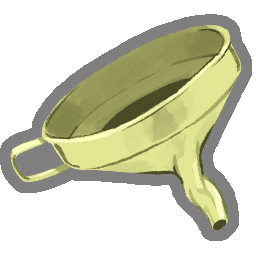 Twisted Funnel help you with Poison application.
  Kunai and
  Shuriken help you with focusing on the Shiv mechanic.
In general, anything that leans into a specific character mechanic is a clear directional sign. The Defect and its 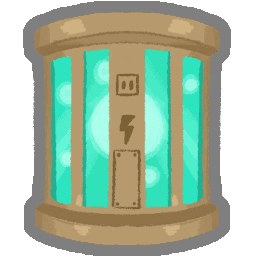 Power Cell is a key signifier for a Claw build alongside All for One, while something like
  Data Disk will push you towards Focus-based payoffs and an Orb spam build.
As for the Regent,  Mini Regent and
  Divine Destiny help you with your Star total and let you pick up more of the expensive cards that you'd otherwise have to skip for consistent results.
Identifying a directional Relic also requires to know the possible builds to pursue. The Necrobinder's three main approaches – buffing Osty, stacking Doom, generating Souls – each have build-around-aiding Relics in the form of 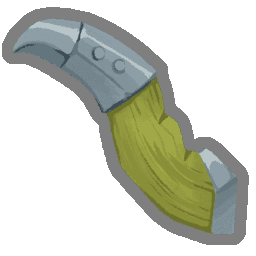 Book Repair Knife,
  Undying Sigil, and
  Funerary Mask. The effects can help you even if you end up with a different build, but the payoff is maximal if you chase the matching build at an opportune time,
Relic Choices: When to Commit and When to Hedge
If you see a directional Relic and one or more cards that work with it, you should seriously consider committing to that build. However, there is a time component here, too: Forcing a build around a single Relic when your cards point somewhere else is how you die in Act 2, so if you pick a strong Relic that does not yet match your deck, you need to factor in the time it takes to strengthen its synergies. Maybe avoid the next few Elites, no matter how tempting they might be?
Directional Relics That Change How You Path
Some Relics change how you should path through the map.  Ectoplasm makes you want to skip gold events and shops. You're pathing for Elites and card rewards only.
  Sword of Stone makes it optimal to take Elite-heavy paths to get the upgrade.
Trap Relics: Strong on Paper, Directional in Disguise
Some Relics look like they help all builds, but they actually lock you into (or out of) specific ones. Here are some examples:
 Velvet Choker kills combo decks. Silent and Defect builds that want to play ten or more cards in a turn can't function with this.
  Brimstone only works if you're ending fights quickly. as the incoming chip damage from the enemies prohibitively scales up with this. If your deck needs to see specific cards early,
  Big Mushroom kills your consistency.
Shop Relics vs. Combat Drop Relics
Shop Relics are known pickups: You see them beforehand at the Merchant and it is up to you whether to buy them based on how they fit your strategy. Combat drop Relics are random.
Both offer opportunities to pivot if the offer is strong enough and if you have enough time to commit to a new direction. Ultimately, it's powerful Relics that will determine your ultimate deck payoff rather than individual cards, so apply proper care to these decisions.
Check out more Slay the Spire 2 articles from great content creators in the community!