
Slay the Spire 2 Ascensions Guide – Ascension List and Best Strategies
Just like in the original game, you can ramp up the challenge in Slay the Spire 2 after successfully completing a run by embarking on progressive Ascension challenges. Each character has its own Ascension track with identical difficulty modifiers along the way.
All Slay the Spire 2 Ascension levels, listed
- Ascension 1: Swarming Elites – Elites spawn more often.
- Ascension 2: Weary Traveler – Ancients only heal 80% of your missing HP.
- Ascension 3: Poverty – Enemies and treasure chests drop 25% less gold.
- Ascension 4: Tight Belt – Start each run with one less potion slot.
- Ascension 5: Ascender's Bane – Start each run cursed.
- Ascension 6: Inflation – Card removal at the Merchant is more expensive.
- Ascension 7: Scarcity – Rare and upgraded cards appear less often.
- Ascension 8: Tough Enemies – All enemies are harder to kill.
- Ascension 9: Deadly Enemies – All enemies have deadlier attacks.
- Ascension 10: Double Boss – Fight two bosses at the end of Act 3.
How to beat each Ascension level in Slay the Spire 2
Ascension 1: Swarming Elites
In-game description: “Elites spawn more often.”
The funny thing about this Ascension is that it isn’t actually that much of a downside, since you want to actively seek out Elite fights when your health and resources allow you to do so. Picking up the valuable Relics they drop helps you scale the deck properly into the late-game.
Ascension 2: Weary Traveler
In-game description: "Ancients only heal 80% of your missing HP."
Rest Sites become more valuable from Ascension 2 onwards since you can’t rely on the Ancients to recoup your full health. This also means that Upgrading cards now comes at a bigger premium – you will need to sacrifice some of those opportunities to ensure you can keep your health up.
The margin for small mistakes also goes down here. The Ironclad’s passive healing becomes more and more beneficial as you climb the Ascension ranks, and this first makes itself felt here.
Ascension 3: Poverty
In-game description: "Enemies and treasure chests drop 25% less gold."
Card removal comes at a premium now in the same way Upgrades stop being a no-brainer in Act 2, so any Event-based opportunity to chuck something out of your deck is extra valuable from here onwards.
Ascension 4: Tight Belt
In-game description: "Start each run with one less Potion slot."
From now on, you really need to maximize their short-term benefits as tools that can close out a fight a turn faster and save you HP rather than a nuke for a boss fight, simply because you will be wasting too many Potions along the way. Elites become an obvious target for a  Fire Potion, for instance.
Ascension 5: Ascender's Bane
In-game description: "Start each run Cursed."




 Ascender's Bane is a permanent card for you to play around, so you will have to either include extra draw or maintain a smaller deck to compensate.
Ascension 6: Inflation
In-game description: "Card removal at the Merchant is more expensive."
You’ll want to prioritize Exhaust-like effects more from this point onwards as an alternative way to thin your decks throughout a run. The first card removal is probably still worth buying, but it’s getting into Relic territory real fast from that point onwards – especially considering the fact that their cost has been reduced, making it an even better deal to pick them up in the shop.
This new Ascension effect replaced Gloom, which lowered the Rest Site count in a run.
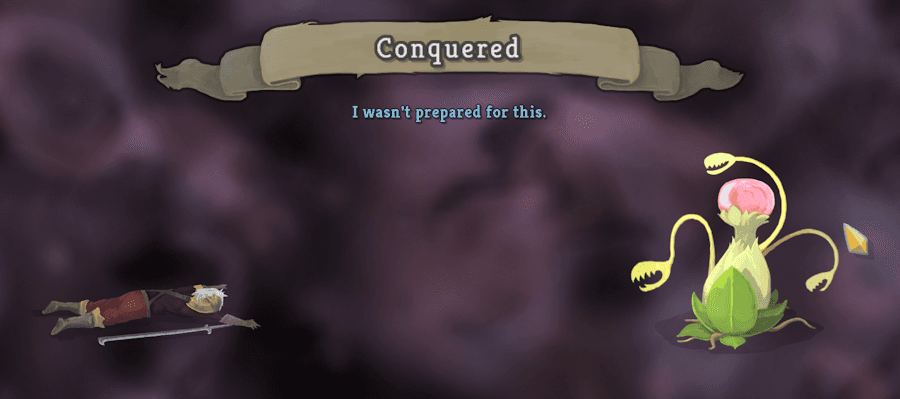
Don't be like this Ironclad. Master Slay the Spire 2 with our tools and guides!
Ascension 7: Scarcity
In-game description: "Rare and upgraded cards appear less often."
Leave the directional choices to later Acts and draft strong individual foundational cards instead during the early part of the journey: Retain’s value really starts to show here as a keyword, much like any resource-conversion card's.
Ascension 8: Tough Enemies
In-game description: "All enemies are harder to kill."
Survivability and Block goes up further in value. Builds with inconsistent damage output spikes are severely punished: lacking a scaling damage plan or the ability to execute a one-cycle burst will inevitably let the enemies outscale you, so plan accordingly.
Ascension 9: Deadly Enemies
In-game description: "All enemies have deadlier attacks."
At this stage, you will have to carefully consider whether you can engage with an Elite fight, and you probably shouldn’t do so unless you are near full health. You still can’t afford to turtle up, but the “health is a resource” paradigm is less valid than earlier: protect your HP total since swings are larger than before.
Ascension 10: Double Boss
In-game description: "Fight two bosses at the end of Act 3."
Scaling effects reset between the two boss fights, so your deck needs an engine that can re-establish damage quickly rather than rely on one explosive turn. Cards like 

 The Scythe are especially valuable here. By this point, you should have all enemy patterns and action cycles in the back of your mind – you will need it, since you can’t miss a beat in the final fight.
Slay the Spire 2 Ascension FAQs
How many Ascensions are there in Slay the Spire 2?
There are 10 Ascension levels in Slay the Spire 2. The original game had 20, bffects like increasing damage or enemy HP were amalgamated into one Ascension for the sequel. Lower max HP (#14), unfavorable events (#15) and tougher enemy movesets (#17-19) were removed outright.
Can you play Ascensions in co-op?
Yes, Slay the Spire 2’s co-op mode also features Ascensions. It is an entirely separate track, as indicated by a differently colored fire icon. All players in the party will need to have the particular Ascension level unlocked to be able to play it.
How to unlock Ascensions in Slay the Spire 2?
Beat the Act 3 boss with any character to unlock Ascension 1 for that character. Each subsequent level unlocks by completing a run at your current highest Ascension. This progression is separately tracked across your characters. You can never lose access to an already unlocked Ascension.